

Client: Chicago Department of Aviation
Location: Chicago, IL

Client: Chicago Department of Aviation
Location: Chicago, IL
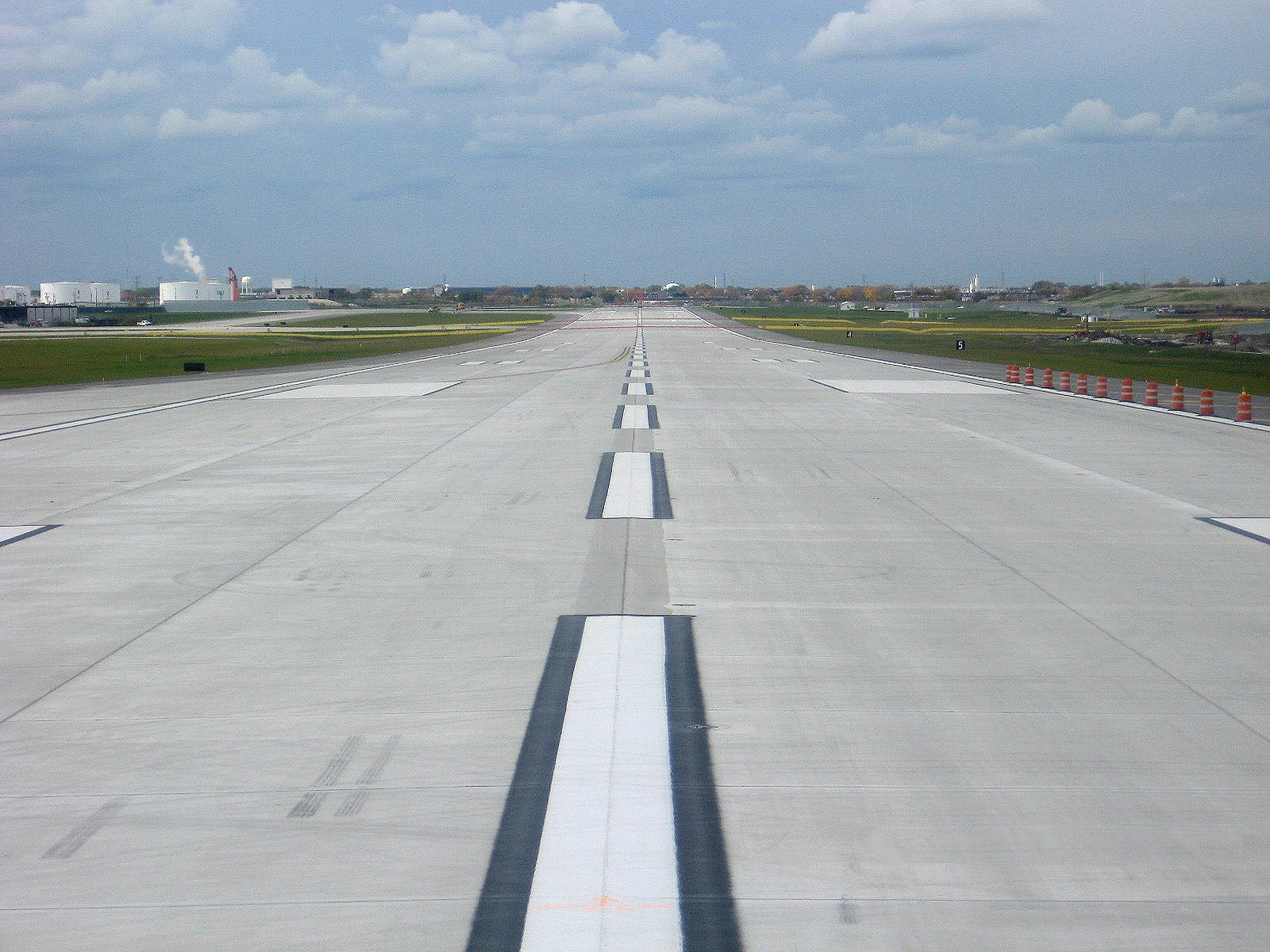
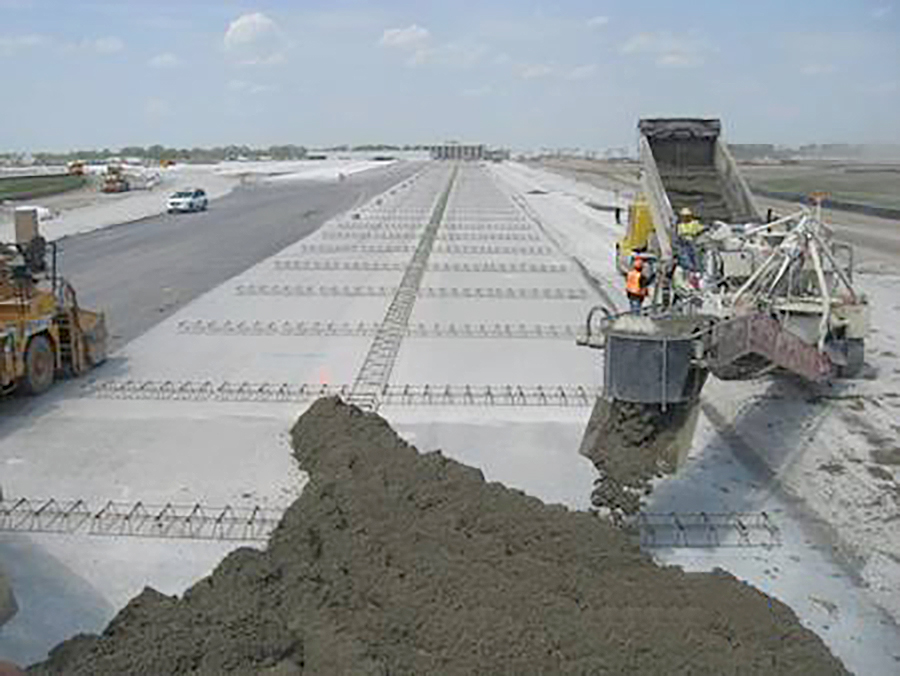
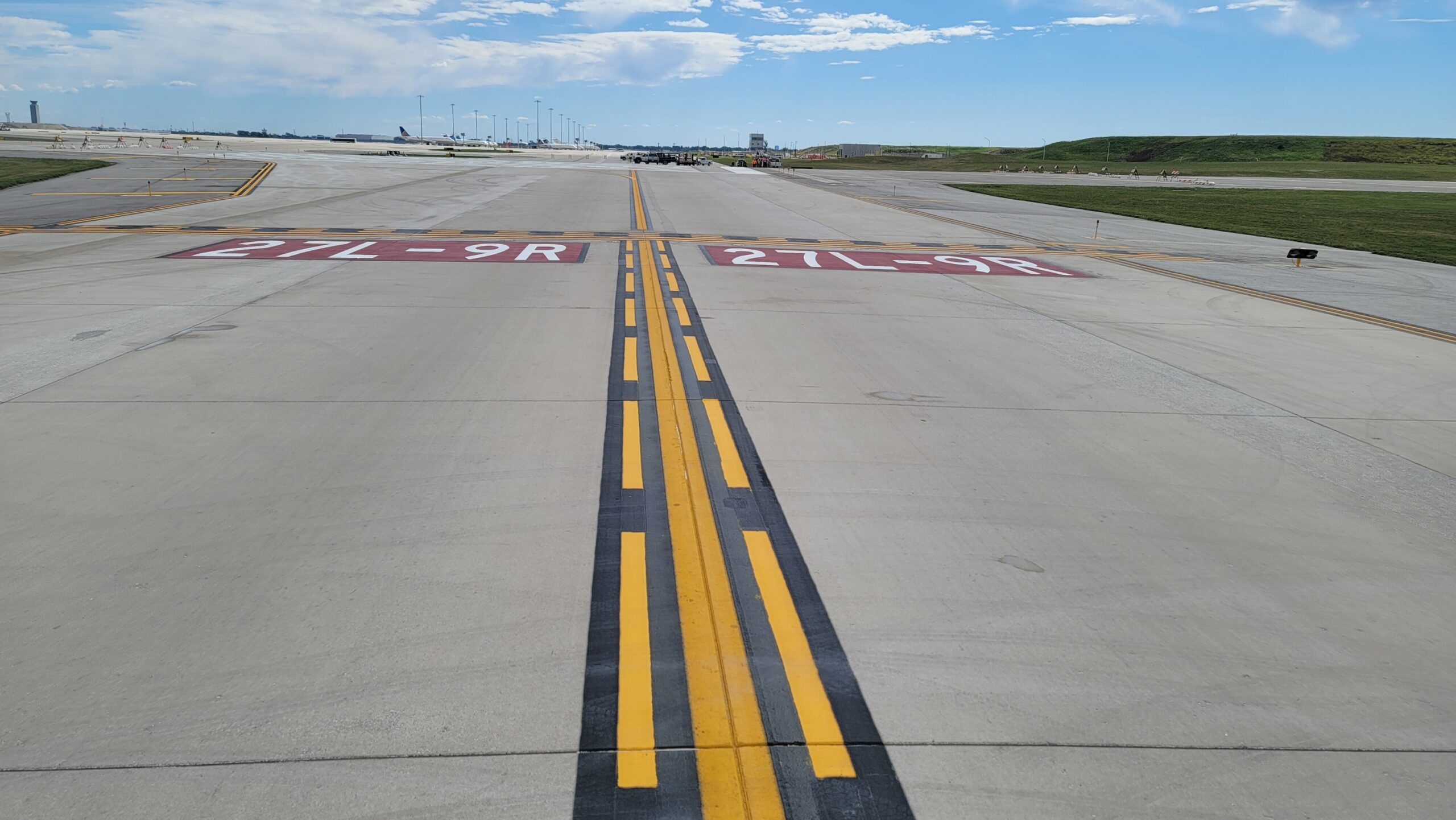
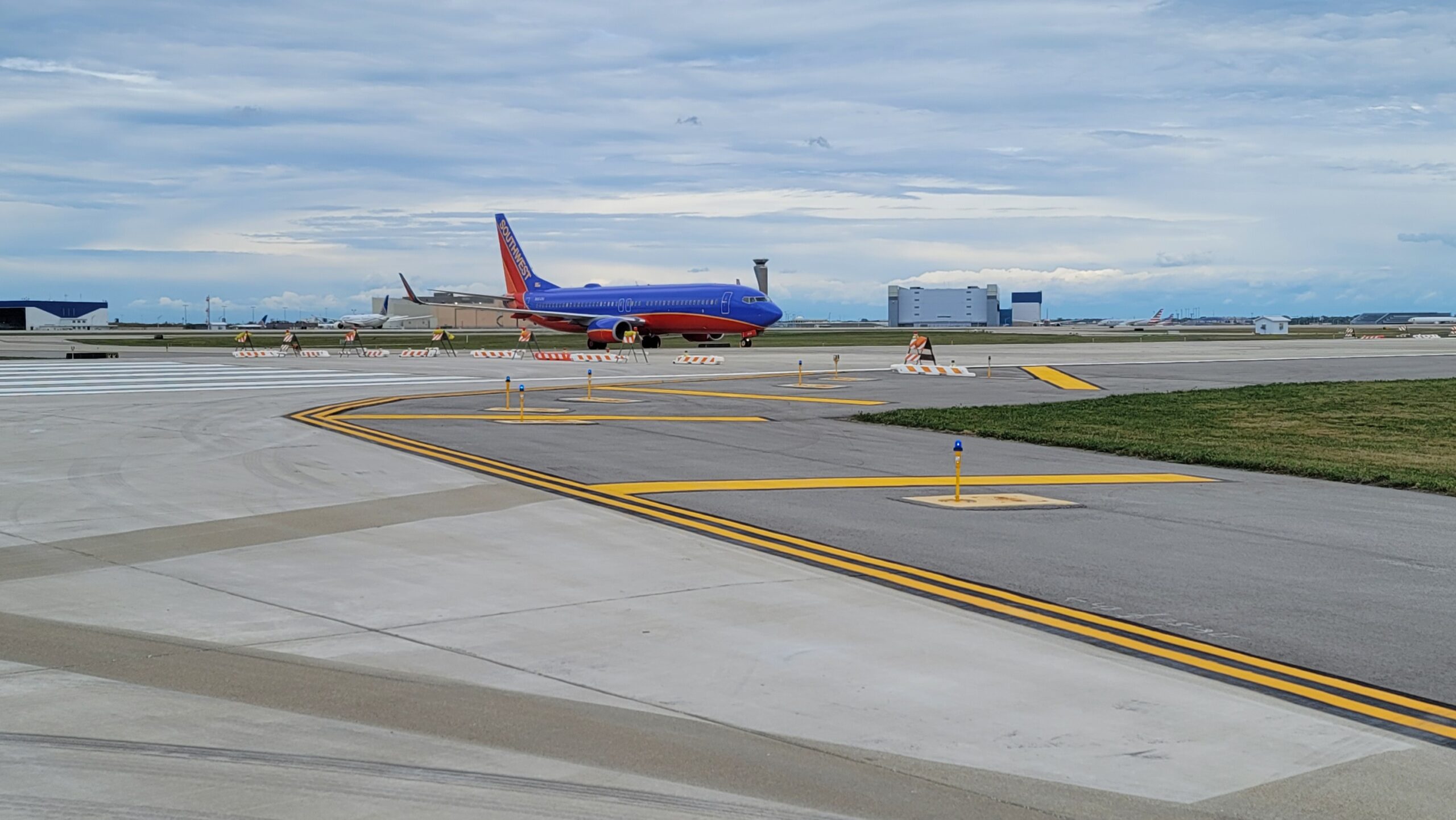
By extending this runway by 3,600 feet, O’Hare International Airport’s most heavily used runway can offer improved passenger service as the capacity to handle more frequent flights by larger, long-haul aircraft increases. Work began within the Object Free Area (OFA) of Taxiways Z and J, with the construction of new PCC and bituminous airfield pavement, along with the associated grading, drainage, electrical, and pavement marking. Also included was the construction of NAVAID access roads, site work/grading, and infrastructure associated with the Runways 9R ALSF-2 high-intensity approach lighting system with sequenced flashing lights and shelter, Runway 27L localizer, far-field monitor, and inner marker. Immediately following this phase, site demolition, clearing/grubbing, utility demolition, earthwork, and grading began for the construction of the remainder of the site. Completed concurrently, while Work Areas 1 and 2 proceeded, temporary grading and installation of a temporary access road took place within the Runway 9R MALSR Light Plane.
Work on this, the second half of the last runway extension project under the O’Hare Modernization Plan (OMP), was broken up into several phases in order to keep the adjacent runways in operation to the greatest extent possible.
The first work area included pavement demolition, construction of a new PCC and bituminous airfield pavement and associated grading, drainage, electrical, pavement marketing, and other work in areas outside of the Taxiway Object Free Area (TOFA) of Taxiways T and J, as well as the 27L ALSF shelter site. The following work took place on the 9R extension itself, as well as continuing work on Taxiway T and new work on Taxiways G and H outside of the Runway Safe Area (RSA). Afterward, while work continued on Taxiway G, work also began on Taxiway PP with Taxiway R beginning thereafter. This work was completed by the fall of 2020.
In addition to taxiway work that will occur in the next phase, the shoulders of the existing pavement for the runway were resurfaced. As taxiway work and shoulder resurfacing continued in each following phase, work was also completed on NAVAIDs, blast pads, and taxiway holding areas. The actual extension of the runway length occurred near the end of the project once enabling work was complete. NAVAID work will include the glide slope, precision approach path indicator (PAPI) lighting system, Localizer shelters, and both the 9R and 27L ALSF shelters and light lanes.
Runway Status Lights
Installation of FAA-provided Runway Status Light fixtures, on new and existing light bases, included placement of a dedicated ductbank, the prefabricated custom system shelter, and a common electrical ductbank. Work also included pulling new fiber optic cable from the shelter to the existing airport traffic control tower.
Services provided: construction inspection, scheduling services, contract administration, and office engineering support. Also providing managerial and clerical services to implement and enforce all applicable codes, standards, specifications, policies, and procedures. With a full understanding of the project scope, plans, and specifications, our team also coordinated between the direct project assignment and other active program assignments.
